
The Inflation Reduction Fund
Helping Americans Save
Are you tired of high electric bills?
Hundreds of miles away, energy produced by fossil fuels has gotten more unreliable and expensive. Not to mention, utility companies are raising rates faster than ever. Renewable energy is the best way to protect yourself, your family, and the planet for the short and long-term.
WHAT WE OFFER
An Easy Transition
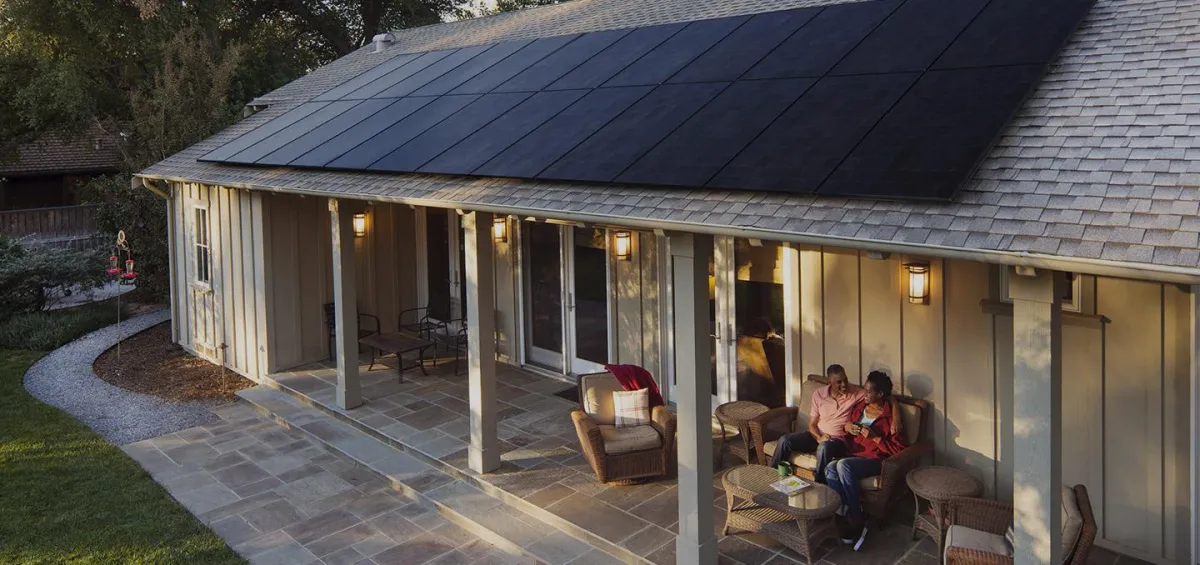
We're here to help you cut through the smog by providing reliable information on the solar options available to you and your home.
No Money Down Programs
30% Federal Tax Credit for Homes
40% Federal Tax Credit for Businesses
State credits and rebates
Freedom from the electric company
Increase Home Value
No unexpected rate hikes
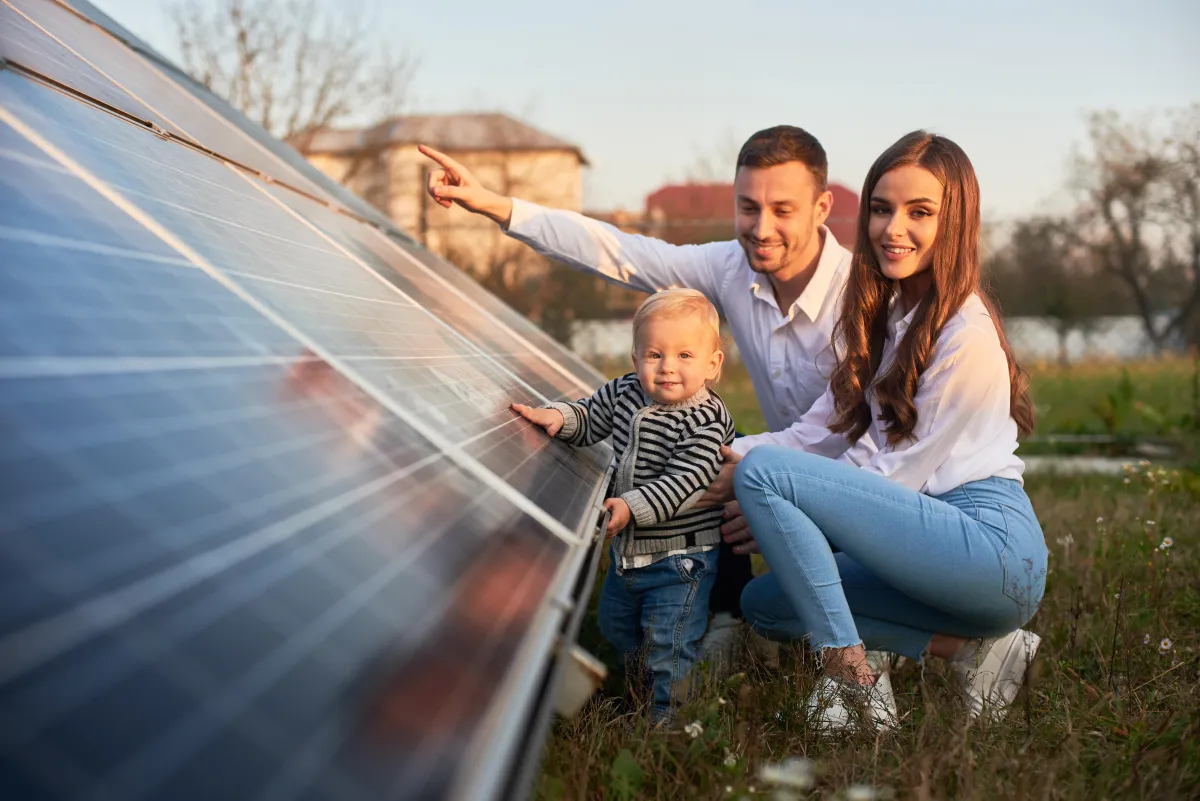
22,000,000 U.S. Homes with Solar
30% Federal Tax Credit
$100 Million+ Saved
It's Time to Go Solar
We're Here to Help


Save Money by Producing Your Own Energy
Many homeowners are able to offset over 50% of their future energy costs when switching to solar.

Delivering A Great Customer Experience
We're here to take all the hard work off your plate. Here for you before, during, and after the installation process.
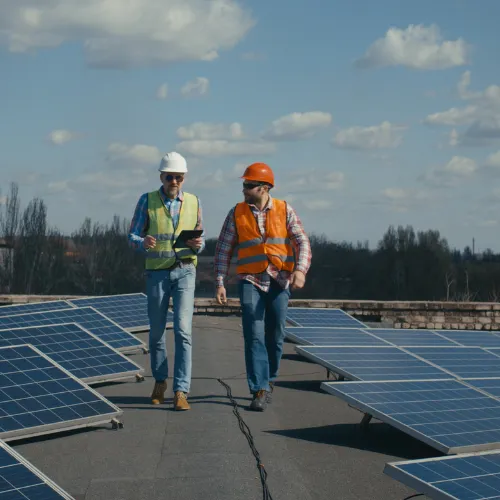

Trusted Home Solar Experts
Our team members are certified and here to help you find a solution for the needs of you and your home.
Book a Free Consultation
Learn more about The Inflation Reduction Fund and the other resources available to you.

TESTIMONIALS
What People Are Saying

James McOwens
Libertyville, IL
"When I heard about the Federal Tax Credits for going solar, I knew it was time to make the switch. But with so many solar companies out there I wasn't sure where to start. SPS & InflationReduction helped make the research easy. I would highly recommend!"

The Johnson Family
Chicago, IL
"We had our doubts about going solar because we've heard so much mixed information. They made it all really easy by pairing us with a solar partner that was highly rated and even checked in after the installation to make sure everything was working well."
Frequently Asked Questions
What is solar energy? How do solar panels work?
Solar panels, also called photovoltaic or PV panels, consist of solar cells that capture the radiant light and heat contained in sunlight and convert it into usable clean energy for your home. When sunlight hits your solar panels, the photons of energy are converted into DC (direct current) electricity, which is then converted into AC (alternating current) electricity for use in your home. Solar panels are often grouped together to form a solar grid or solar array, allowing you to capture and harness the right amount of energy for your needs.
Is my location a good place for solar?
Absolutely! Although there are definitely areas of the country that get more sun than others, the good news is that it doesn't take much sunlight to generate electricity. Obstructions like trees, or a lack of roof space, are usually the bigger limitations when it comes to how much energy your system can produce. Be sure to speak with an expert for information specific to your home.
Is a solar system actually worth it?
Yes! Whether you're looking to save money, save resources, or protect the natural environment from the effects of climate change, adding solar power to your home can be an effective way to tackle all three. Solar customers can save thousands over the lifetime of their residential solar power systems—often earning credit on power they generate through net metering programs and recouping costs via various rebates and incentives.
Meanwhile, the cost of conventional electricity is only going up. On the environmental front, an investment in sustainable, solar energy allows you to dramatically decrease your carbon footprint and your reliance on fossil fuels. It’s also a great way to boost interest in clean technologies and the economies they support.
It seems complicated. Where do I start?
We completely understand, solar energy can feel overwhelming. Where do you start? You've got to research installers, technologies, different incentives, municipal requirements, permits, and it goes on and on. This is why we created InflationReduction - a way to bring the answers directly to you with an unbiased approach. We're here to guide you through each step of the process, and help you secure the benefits and incentives that are meant for you. Our team of consultants are here to answer any questions, concerns, and worries that you may have at the start of your journey, during the steps along the way, and after your solar system has been installed.
Is a solar system actually worth it?
For homeowners that qualify for the incentives and benefits of solar, solar systems pay for themselves and put savings into the hands of the system owner. There are many factors that go into how beneficial a solar system will be - such as tree shading, roof space, and more... But don't worry, often times trees can be removed to improve system production, and ground mounts may be an option for homes that don't have the proper roof space for a solar system.
How do I get the most out of my solar panels?
Great question! In most cases, your system will require little to no maintenance. That said, there are a few things you can do to make sure your system is performing at peak levels.
First, make sure your system is free from any dust or debris. Most of the time, regular weather will take care of all of the cleaning. However, in some places of the country with little rain, or if there are trees near your roof, an annual cleaning can be helpful.
Next, be sure to monitor your system using the app provided to you at the time of installation. This will make ensuring your system is running well a piece of cake! For any questions or issues, all systems come with a 25-Year bumper-to-warranty.
How many solar panels do I need to power my home?
Our experts will work with you by taking a look at your current usage, your roof structure, and figure out how much energy independence is ideal for you. Based on these factors, we will be able to draft a design and give you an idea of how many panels your home requires, along with the short and long term savings that your system will provide.
If there is a power outage, will my power go out if I have solar?
If you add a home battery to your solar power system, you can avoid disruptions caused by grid outages. The amount of energy available for you to use in case of an outage will depend on several factors:
- The size and production of your solar panels
- The size of the battery installed
- The battery state of charge when the outage occurs
- The areas or appliances in your home that are prioritized to receive power when the grid goes down.
If, however, your solar energy system does not include a home battery, then yes, your power will go out. In the event of an outage, all standalone solar energy systems will automatically shut down in accordance with grid codes and mandatory inverter specifications.
What happens if my system produces more energy than I need?
If your home is connected to the grid and you’re located in a net metering area, any excess energy produced can flow back into the grid, and may earn you credit on your electricity bill. If you choose to integrate energy storage with your solar power system, any excess energy that is produced and not immediately used by your household will go to charge your battery. This, in turn, allows you to access stored solar power for your home when energy usage exceeds production. Homeowners not connected to the grid often choose to increase their solar storage capacity to enable uninterrupted power regardless of weather or time of day.
